Classify an angle by its measure. Classify a triangle in two independent ways: by its side lengths and by its angles. The explorers below let you test both ideas before trying the practice game.
What is an angle?
An angle is formed by two rays sharing an endpoint called the vertex. Its measure describes the turn from one ray to the other, rather than the length of the drawn arms.
Interactive protractor
Drag the orange dot, use the slider, or type an angle. Choose the baseline direction, then read from zero on that side.
Angle types
| Type | Measure |
|---|---|
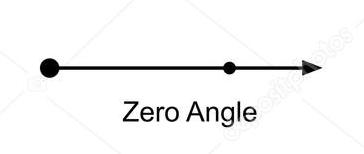
| Zero | 0° |
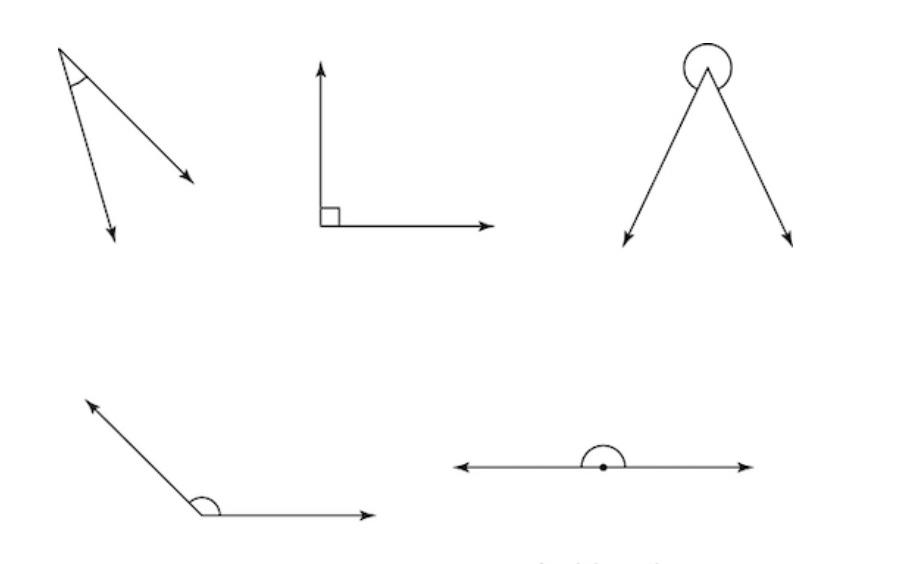
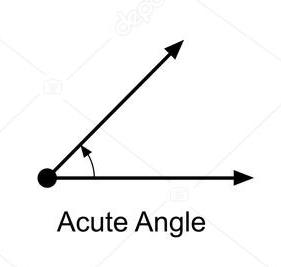
| Acute | 0° < angle < 90° |
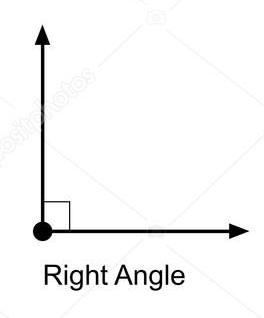
| Right | 90° |
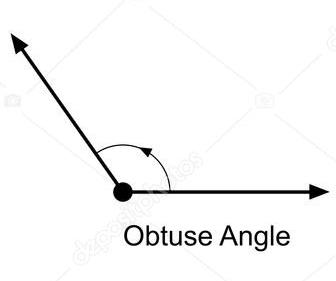
| Obtuse | 90° < angle < 180° |
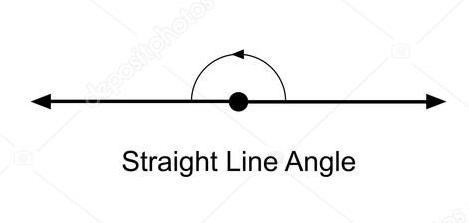
| Straight | 180° |
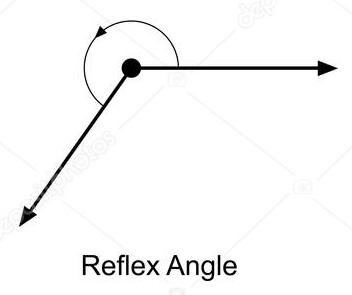
| Reflex | 180° < angle < 360° |
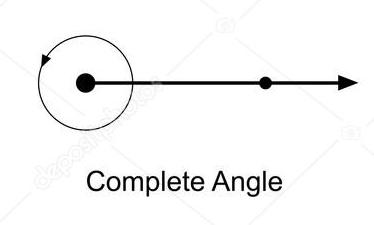
| Complete turn | 360° |
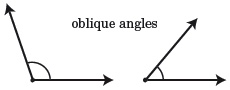
“Equal angles” means two angles have the same measure; it is not a name for a 180° angle. “Oblique” describes an angle or intersection that is neither right nor a straight alignment; it does not replace the precise acute/obtuse/reflex classification above.
What makes a triangle?
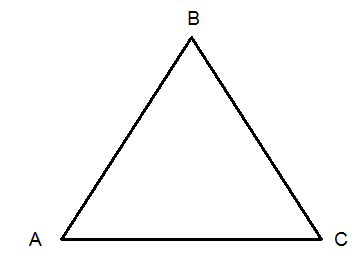
A triangle is a polygon with three straight sides and three vertices. For a nondegenerate triangle in a plane, all sides are positive, the sum of any two side lengths is greater than the third, and the interior angles add to 180°.
Classify a triangle from its sides
Enter three lengths in the same unit. Values may have up to six decimal places and must not exceed 1,000,000. Classification uses exact decimal arithmetic.
Triangle types by sides
| Type | Side condition | Example |
|---|---|---|
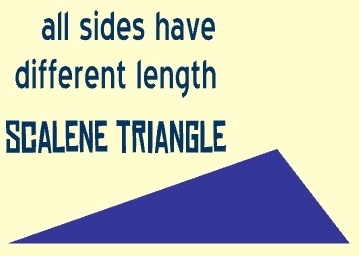
| Scalene | All three lengths differ | 3, 4, 5 |
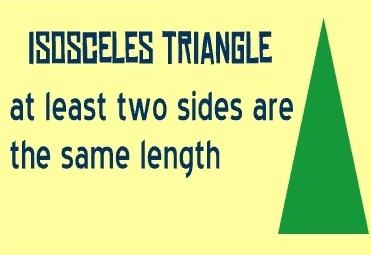
| Isosceles | At least two sides equal | 5, 5, 6 |
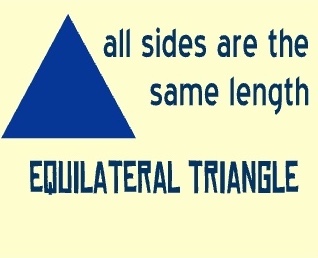
| Equilateral | All three sides equal | 5, 5, 5 |
This page uses the inclusive definition of isosceles, so every equilateral triangle is also isosceles. Some school materials reserve “isosceles” for exactly two equal sides; check which convention a question uses.
Triangle types by angles
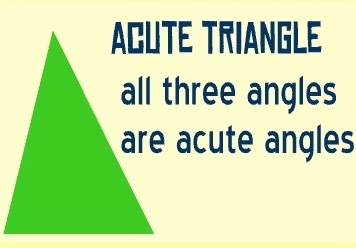
- Acute: all three interior angles are less than 90°.
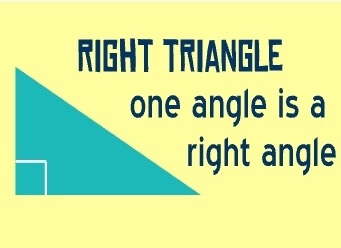
- Right: exactly one interior angle is 90°.
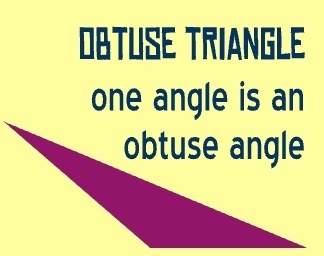
- Obtuse: exactly one interior angle is greater than 90°.
A triangle cannot have two right angles or two obtuse angles, because their sum would leave no positive third angle. An equilateral triangle has three 60° angles and is always acute. A scalene triangle can be acute, right, or obtuse.
Practice
Classify triangles with sides (3, 4, 5), (5, 5, 6), and (2, 3, 6). Then find the third angle when the first two are 45° and 65°.
Check the answers
Scalene and right; isosceles and acute; no triangle, because 2 + 3 < 6. The missing angle is \(180^\circ-45^\circ-65^\circ=70^\circ\).
Printable visual references
Use these original diagrams alongside the precise definitions above.
Show angle reference diagrams
Show triangle reference diagrams
Angles and triangles practice game
Choose an angle or triangle topic and select the matching answer. Relaxed mode allows time to think; timed mode adds a time limit. Reload this page to restart if the game’s own replay link leaves the activity.
Continue with the right-triangle calculator or missing-side lesson.